

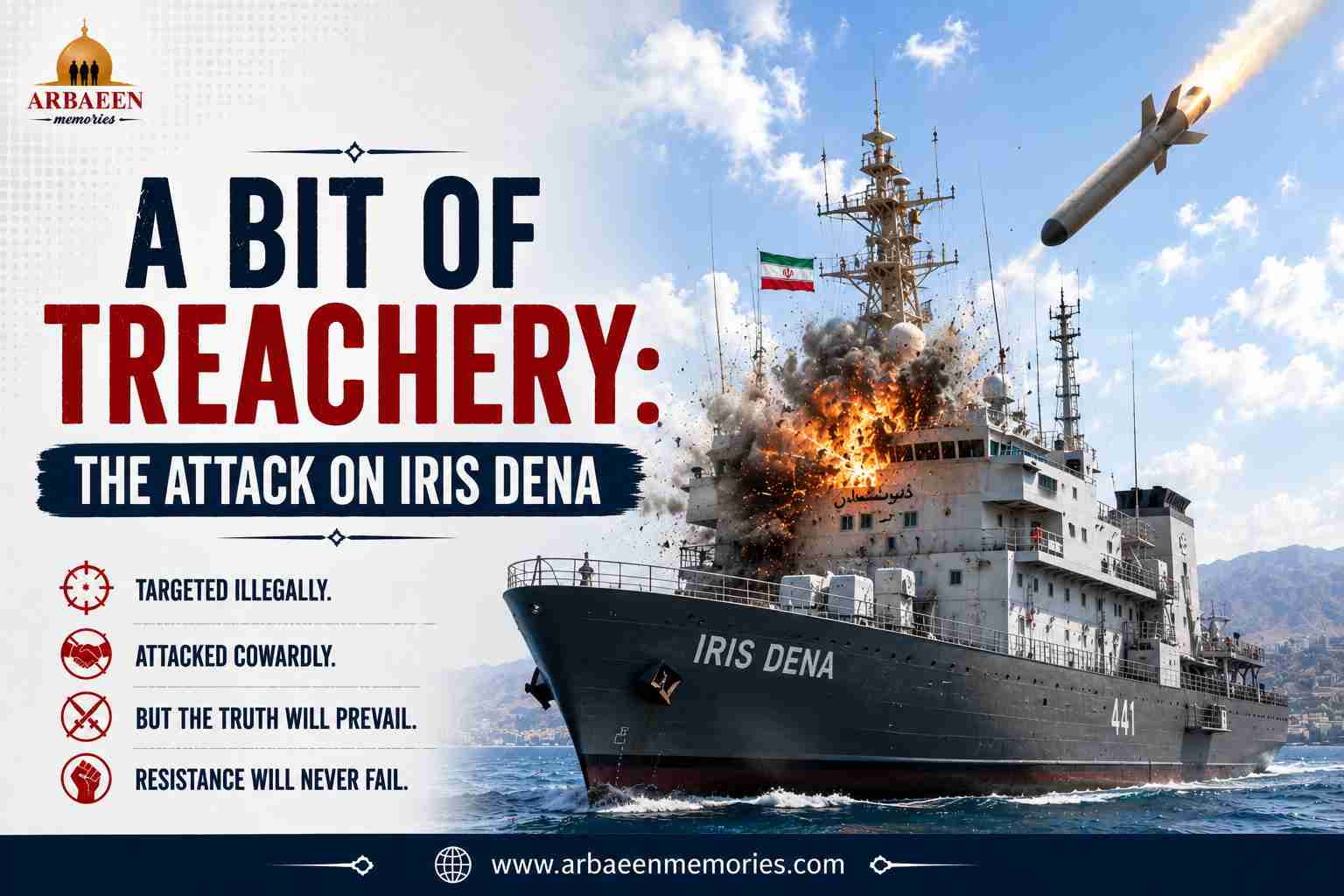
The sinking of the Iranian warship IRIS Dena during the 2026 conflict remains one of the most disturbing incidents of the war. What made the event particularly shocking was not only the loss of life, but the circumstances surrounding the attack.
The vessel was reportedly returning from an international naval exercise hosted by India and was sailing toward a friendly port call in Sri Lanka when it was struck by a U.S. submarine in international waters.
Questions About Trust and Diplomacy
For many observers, the incident raised difficult questions about trust, diplomacy, and the rules that traditionally govern relations between nations.
Just days before the attack, IRIS Dena had participated in multinational naval activities alongside ships from dozens of countries, including nations friendly to both Iran and the United States.
The ship was not engaged in combat operations at the time of the strike and was returning from a peaceful international gathering.
A Symbol of Diplomatic Betrayal
The attack quickly became a symbol of what critics described as a betrayal of diplomatic norms.
Indian military analysts and commentators questioned the timing of the strike, arguing that a vessel that had recently participated in a friendly naval event should not have become a target immediately afterward.
The incident is described as “a bit of treachery,” reflecting the discomfort felt by many in the region.
The Human Cost of the Sinking
The human cost was devastating.
More than one hundred sailors were reportedly aboard the vessel.
Many lost their lives, while others were rescued by Sri Lankan authorities after the ship sank.
Families who had expected their loved ones to return home instead received tragic news from the Indian Ocean.
The Symbolic Importance of IRIS Dena
Beyond the loss of life, the sinking carried a deeper symbolic meaning.
IRIS Dena was viewed by many Iranians as more than a warship.
It represented years of domestic engineering, scientific achievement, and national self-reliance.
Built and commissioned despite decades of sanctions and restrictions, the vessel stood as a symbol of Iran’s determination to develop its own capabilities.
Its destruction therefore resonated far beyond military circles.
The Conflict Expands Beyond the Persian Gulf
The incident also highlighted the widening scope of the conflict.
A war that many expected to remain concentrated around the Persian Gulf had now reached the waters of the Indian Ocean.
Countries such as India and Sri Lanka suddenly found themselves confronting the geopolitical consequences of a conflict occurring in their maritime neighborhood.
Power Politics and Strategic Interests
For supporters of Iran, the attack on IRIS Dena became a reminder that power politics often overrides diplomacy when strategic interests are involved.
They argue that the ship was sailing toward friendly territory and posed no immediate threat when it was targeted.
To them, the attack reflected not strength, but a willingness to strike an opponent wherever the opportunity arose.
A Story That History Will Debate
History will continue to debate the military justification of the operation.
Yet for many, the story of IRIS Dena remains one of loss, controversy, and unanswered questions.
The image of a ship returning from a friendly international gathering only to be destroyed at sea has become a lasting symbol of the harsh realities of war and the fragile nature of trust between nations.