

War is often justified in the language of strategy, military objectives, and national security. Yet history remembers conflicts not only by the battles fought between armies but also by the innocent lives caught in the crossfire.
Among the most painful moments of any war are attacks that strike civilians—especially women and children gathered in places that should have been safe.
The Tragedy in Lamerd
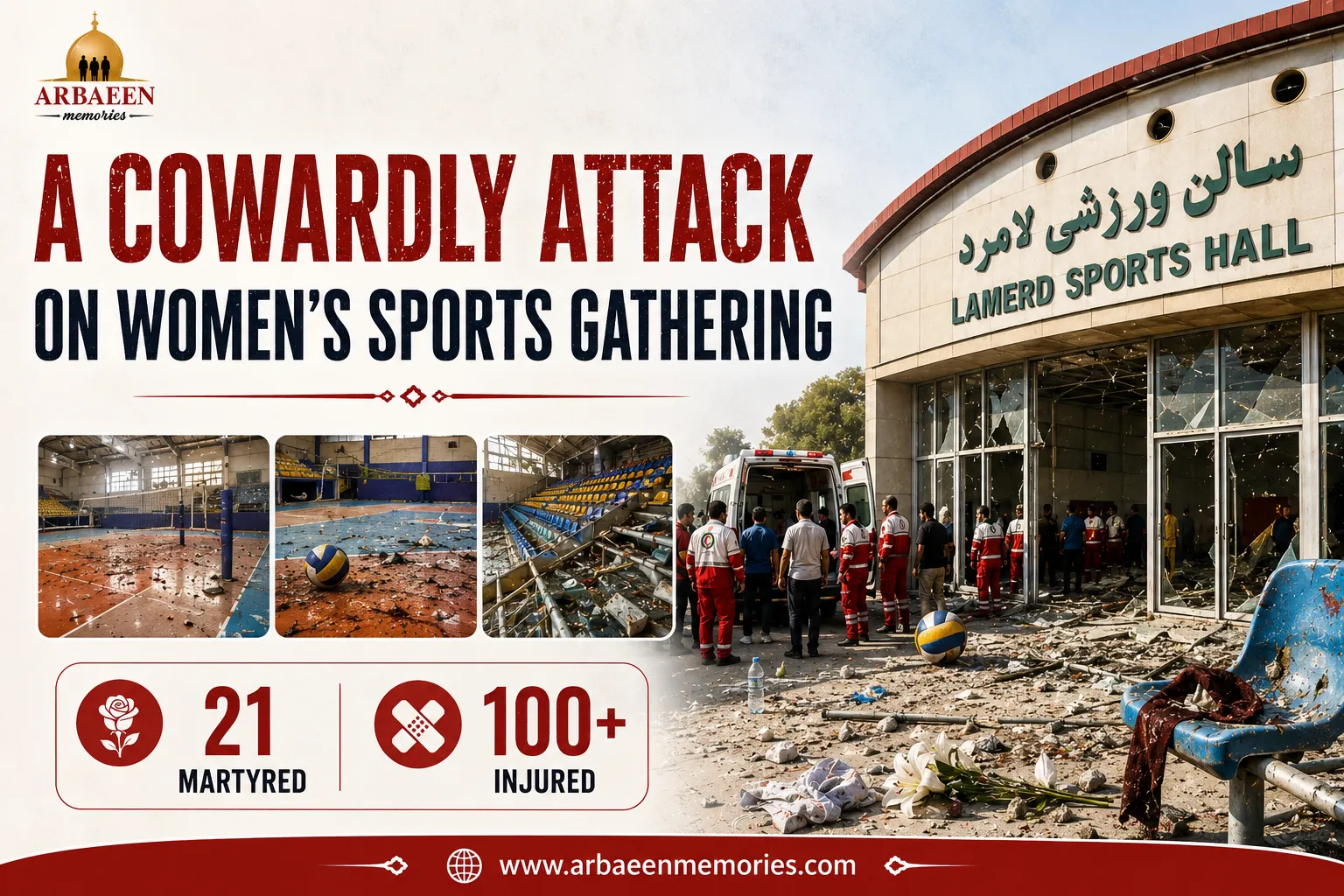
On 28 February 2026, tragedy struck the city of Lamerd in southern Iran. A missile attack hit a sports hall where a women’s volleyball gathering and training session was taking place.
According to reports:
- At least 21 civilians were killed.
- More than 100 others were injured.
- Among the victims were teenage girls, young athletes, and children.
They had come to a place dedicated to sports, friendship, and hope.
A Scene of Chaos and Despair
The images and testimonies that emerged from Lamerd were heartbreaking.
What moments earlier had been a sports facility filled with young people became a scene of:
- Chaos
- Smoke
- Shattered glass
- Desperate cries for help
Witnesses described confusion, fear, and the devastating impact on families who had sent their daughters to practice volleyball, never expecting that war would reach a sports hall.
A Painful Question
For many observers, the attack raised a painful question:
What Threat Did These Young Women Pose?
They were not soldiers.
They carried no weapons.
They were not on a battlefield.
They were athletes pursuing their dreams.
Civilian Locations Under Attack
The tragedy of Lamerd became even more painful because it occurred on the same day as attacks that reportedly struck civilian locations elsewhere in Iran, including schools attended by children.
For many families, the events of that day became a symbol of how war often inflicts its greatest suffering on those least able to defend themselves.
The Reflection of Karbala
For believers, such moments inevitably bring memories of Karbala.
In Karbala, the camp of Imam Hussain (A.S.) included women and children who suffered thirst, fear, and violence despite posing no military threat.
The tragedy taught humanity that oppression often reveals itself in how it treats the most vulnerable.
Dreams Interrupted
The women and girls of Lamerd were gathered around a volleyball court, not a military installation.
Their dreams were centered on:
- Sport
- Friendship
- The future
Yet their lives became part of a conflict they neither started nor controlled.
According to multiple reports, many of the victims were teenagers participating in sports activities when the strike occurred.
The Lasting Impact on Families
Whether viewed through the lens of humanitarian law, morality, or simple human conscience, attacks that harm civilians leave scars that endure long after wars end.
Buildings can be rebuilt. However, families can never replace daughters, sisters, and children who are lost.
More Than a Missile Strike
The story of Lamerd is therefore not only about a missile strike.
It is about:
- The cost of war
- The innocence of young women whose lives were cut short
- The suffering carried by families and communities
It is also a reminder that true courage is not found in attacking the defenseless but in protecting them.
Conclusion
History will remember the athletes of Lamerd not as victims alone but as a reminder that the human cost of war is measured not in military statistics, but in lives, dreams, and families forever changed.