

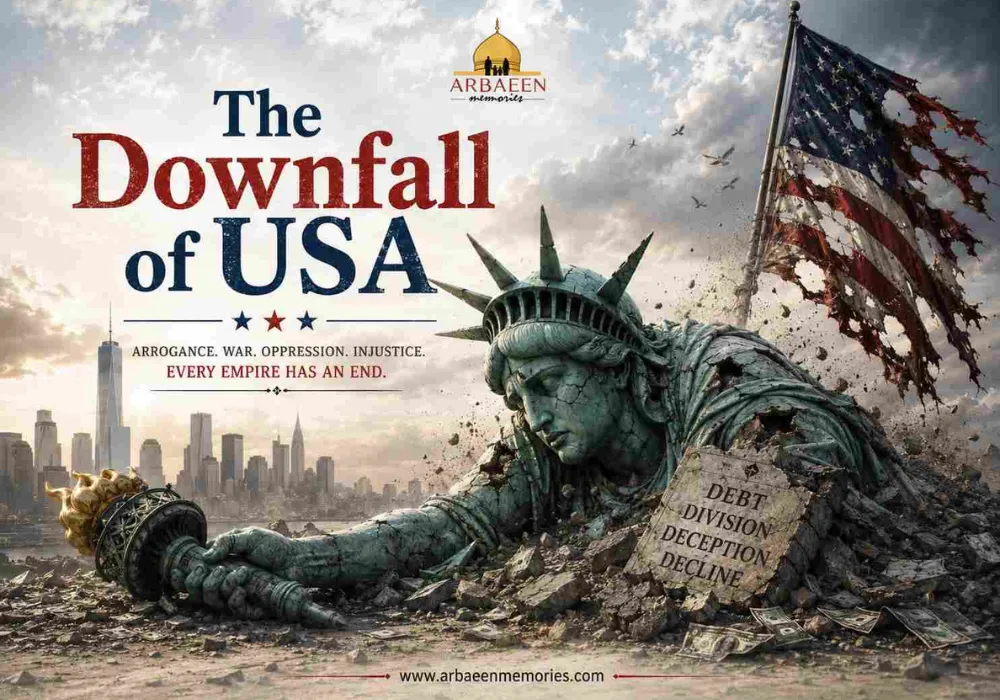
For decades, the United States was seen as the world’s most powerful nation — a military superpower capable of influencing governments, controlling global politics, and dominating conflicts across regions. From the Middle East to Asia, America projected itself as unbeatable. But recent events surrounding the conflict with Iran have shaken that image and raised serious questions about the limits of American power.
The Conflict as a Test of Power
The war with Iran was not just a military confrontation. It became a test of endurance, influence, and strategic strength. Many believed Iran would quickly collapse under pressure from American military power, sanctions, and international isolation. Instead, the conflict revealed something unexpected: a nation under pressure refusing to surrender, while exposing the weaknesses of a global superpower.
Changing Nature of Modern Warfare
Iran showed that modern wars are no longer won only through advanced fighter jets and billion-dollar weapons. Geography, ideology, public resistance, regional influence, cyber capabilities, and economic pressure all became part of the battlefield. Despite heavy attacks and sanctions over the years, Iran maintained its resistance and continued to challenge American influence in the region.
The Strategic Importance of the Strait of Hormuz
One of the biggest shocks during the conflict was the disruption of the Strait of Hormuz — one of the world’s most important oil routes. Even the possibility of instability in this region affected global oil prices and international markets. This demonstrated how a regional power like Iran could create global economic consequences and challenge Western dominance.
Impact on America’s Global Image
The conflict also damaged the image of American invincibility. Despite advanced military operations and pressure campaigns, the United States struggled to achieve a decisive victory. Analysts began questioning whether military force alone could control the Middle East anymore. Iran’s continued missile capabilities, regional alliances, and cyber responses showed that the era of one-sided domination was fading.
Psychological and Global Perceptions
Another major impact was psychological. For years, the United States built an image of fear and control across the region. But Iran’s response inspired many groups and nations that viewed resistance against global powers as possible. The conflict shifted perceptions across parts of the world, especially in the Global South, where many people saw the war not as a fight for justice, but as another example of powerful nations trying to impose control through force.
America’s Growing Challenges
The war also exposed America’s growing global challenges. Economic pressure, rising fuel prices, war fatigue, political divisions at home, and increasing competition from powers like China and Russia weakened Washington’s ability to maintain long-term dominance. What once appeared as unlimited power now seemed stretched across too many conflicts and responsibilities.
Iran’s Resilience Under Pressure
At the same time, Iran presented itself as a nation willing to absorb pressure while continuing resistance. Even after strikes on military and infrastructure targets, Iran maintained its regional influence and negotiation position. The conflict proved that power is not only measured by weapons, but also by resilience and the ability to survive under pressure.
A Changing World Order
The downfall of a superpower does not happen overnight. It begins when fear disappears, when smaller nations refuse to bow, and when military strength no longer guarantees political victory. The Iran conflict became a symbol of this changing world order — a sign that even the most powerful empires can face limits to their influence.
The Future of Global Power
History has shown that no empire remains dominant forever. The conflict with Iran may not have ended American power completely, but it revealed cracks in the image of unquestioned supremacy. In many eyes across the world, the war marked the beginning of a new era — one where resistance could challenge even the mightiest powers.